The Maritime Search and Rescue Council (MSARC), working in partnership with the Foundation for Humanitarian Action at Sea (FHAS), has supported a national, full-scale maritime search and rescue (SAR) exercise off Dakar, Senegal, bringing together maritime, emergency response and humanitarian organisations to practise a coordinated response to a complex incident at sea.
Exercise Atlantic Readiness 26 placed Senegalese agencies at the centre of a realistic mass rescue scenario involving a distressed vessel carrying approximately 25–30 people near the Dakar anchorage. The exercise tested the response from the first report of distress through maritime rescue, medical treatment, casualty accounting and reception ashore.
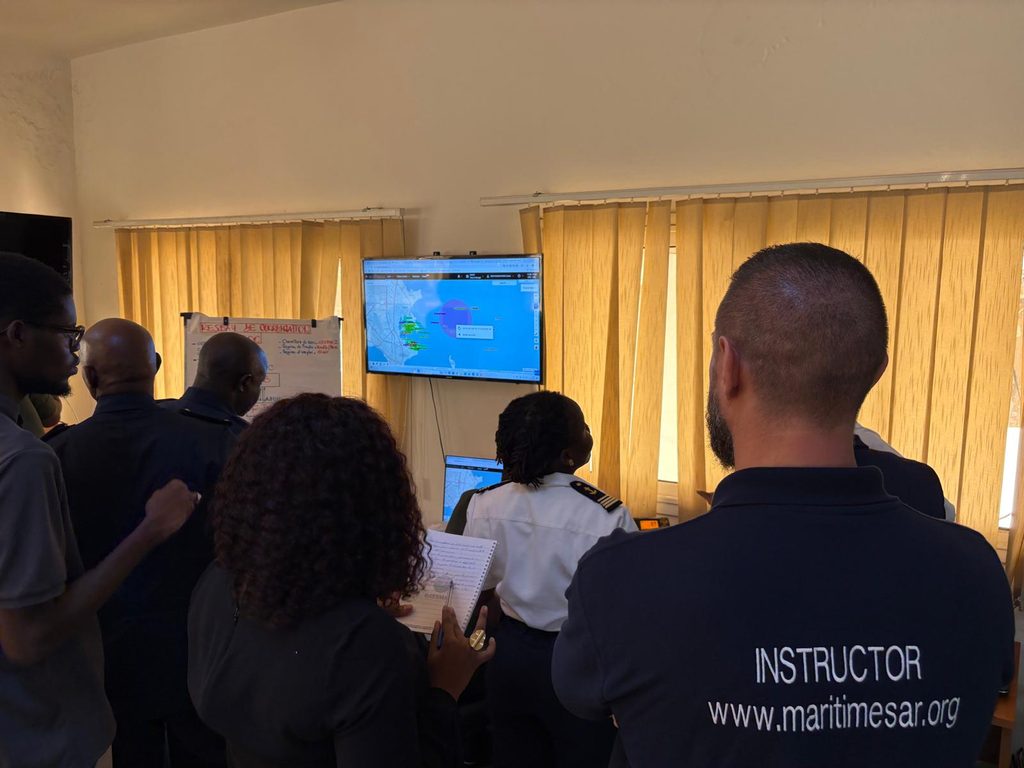
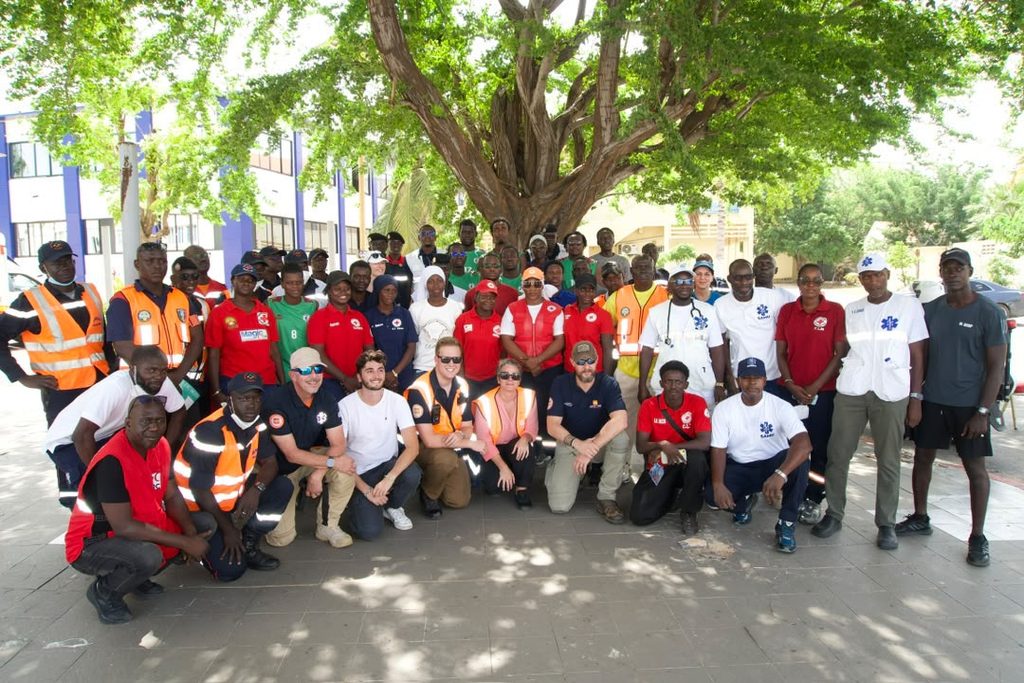
Participating organisations included the Marine Nationale, Brigade Nationale des Sapeurs-Pompiers (BNSP), Gendarmerie, Police, Haute Autorité chargée de la Coordination de la Sécurité Maritime, de la Sûreté Maritime et de la Protection de l’Environnement Marin (HASSMAR), Service d’Assistance Médicale d’Urgence (SAMU) and the Senegalese Red Cross, alongside other health-sector personnel.
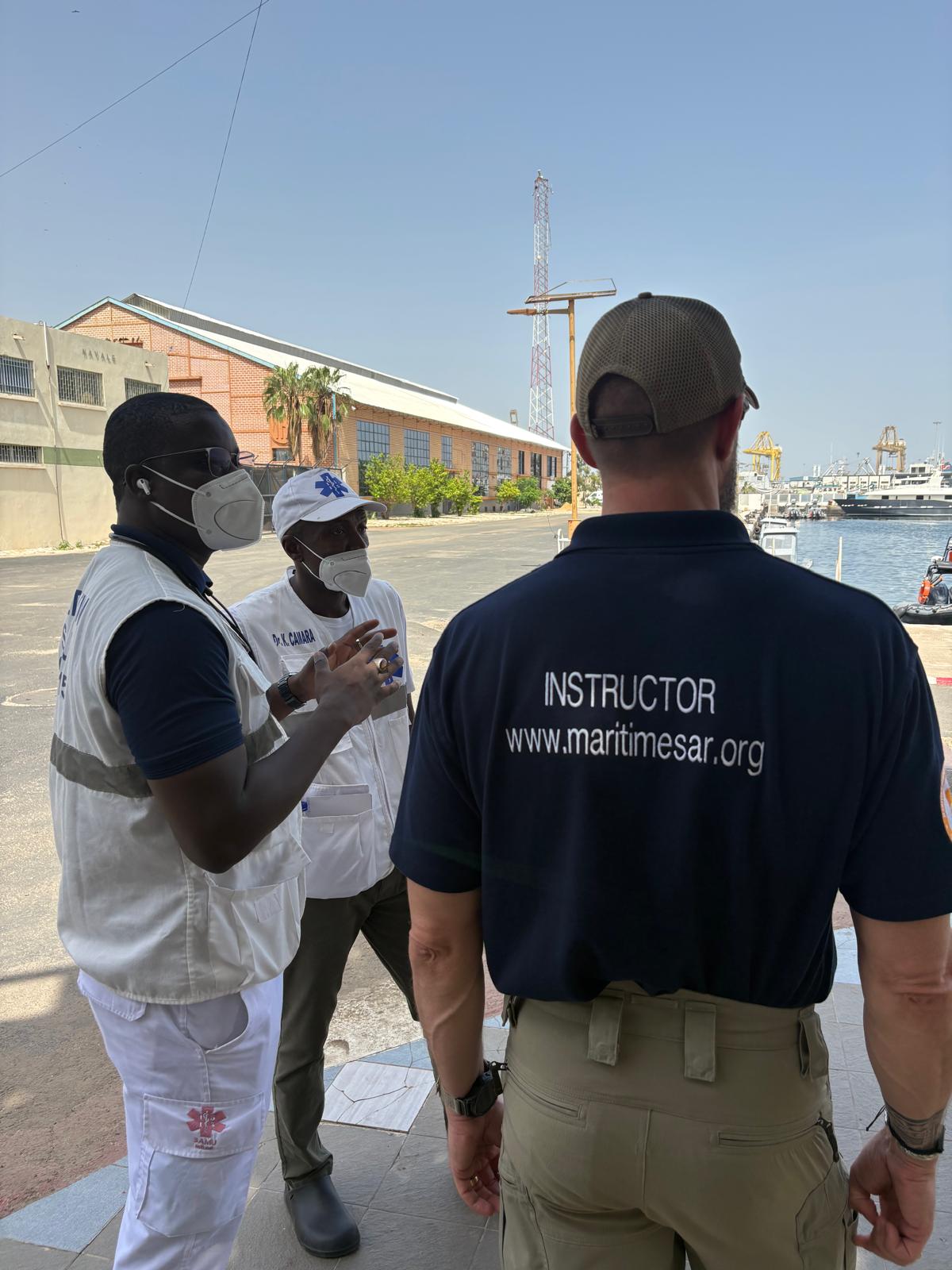
The exercise began with a safety briefing delivered by MSARC Senior SAR Instructor and Exercise Controller Bjorn Beirens. Participants then received casualty simulation cards and deployed to their assigned vessels and response positions, allowing the exercise to unfold through a sequence of operational decisions and simulated casualties.
The first operational report came from the cargo vessel JIKKE, which identified a migrant vessel apparently in distress. With low freeboard and increasing panic among those aboard, the scenario required a timely, coordinated response. The Maritime Rescue Coordination Centre (MRCC) tasked rescue assets and initially designated JIKKE as On-Scene Coordinator (OSC), demonstrating the important role commercial shipping can play in maritime SAR.
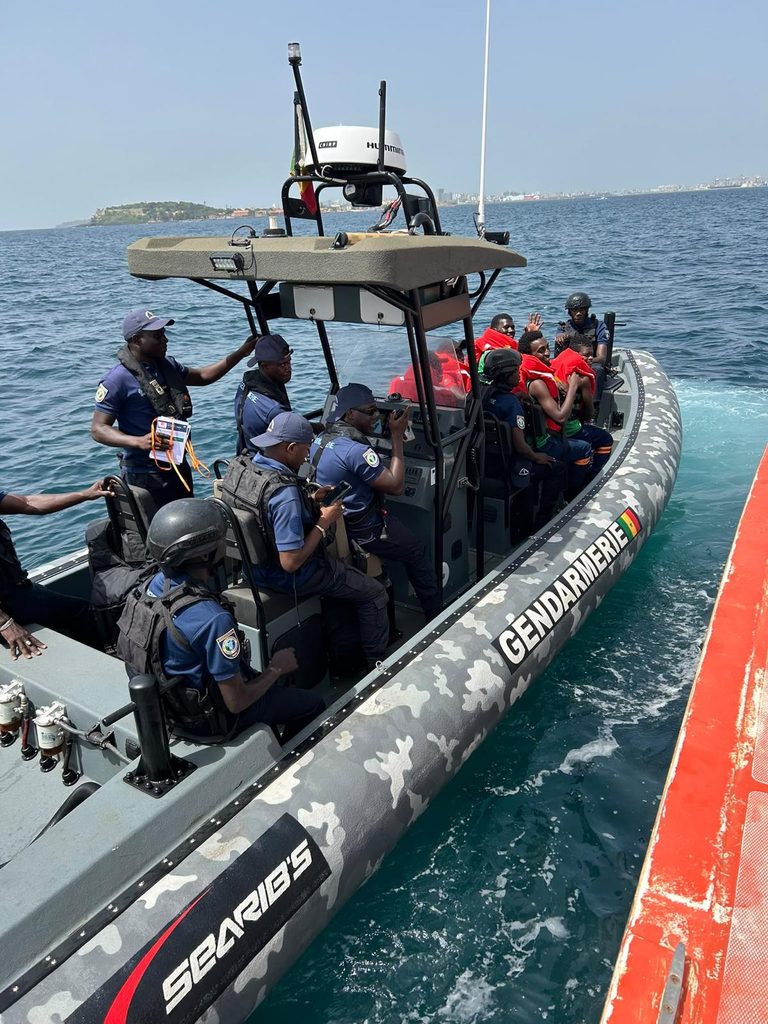
As response units arrived, crews carried out simulated rescues and transferred casualties for initial medical care. Further reports suggested that people might still be missing, prompting a search while agencies continued to manage rescued persons and share information. Following reconciliation of casualty numbers, all simulated persons were accounted for and the search was suspended.
At the harbour, casualties were handed over for assessment by medical personnel and police. The shore-based phase introduced a range of complex simulated injuries and medical conditions, including infectious-disease considerations, requiring agencies to coordinate triage, reception, safeguarding and onward care while maintaining an accurate record of those rescued.
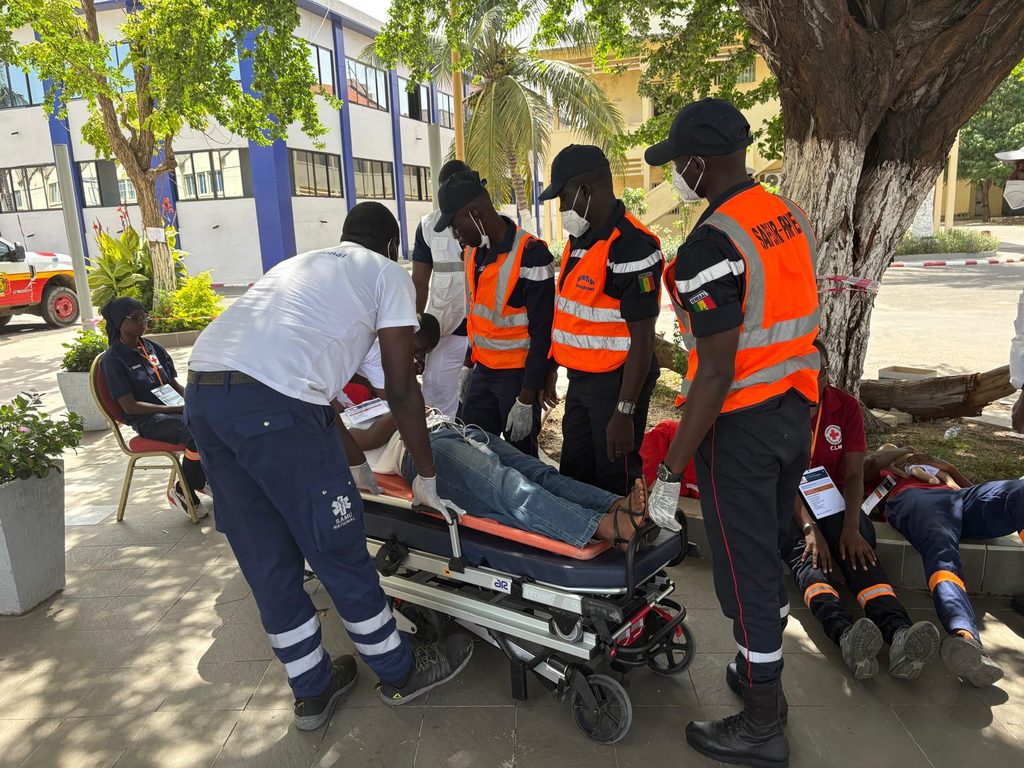
The scenario was designed to examine the practical challenges of a mass rescue operation: establishing command and control, maintaining communications between ships and shore, safely recovering people from a distressed vessel, coordinating searches, tracking casualties and ensuring an effective handover to medical and humanitarian responders.
Bjorn Beirens, Exercise Controller and Senior SAR Instructor at the Maritime Search and Rescue Council, said:
“The value of an exercise like this is in seeing how the whole response works together, not simply how individual rescue crews perform. From the initial call by a merchant vessel to the decisions made by the MRCC, the search for potentially missing people and the final handover ashore, every stage depends on clear communication and a shared understanding of responsibilities.”
“By introducing changing casualty information and complex medical needs, we were able to put realistic pressure on coordination and decision-making in a controlled setting. The lessons identified will help participants strengthen procedures and preparedness for a real emergency.”
Alex Cox, Operations Coordinator at the Maritime Search and Rescue Council, said:
“This exercise demonstrates the importance of bringing maritime authorities, emergency services, commercial shipping and humanitarian partners into the same operational picture. A rescue does not end when people are taken off a vessel: accounting for everyone, ensuring they receive appropriate care and coordinating their reception ashore are equally important parts of the response.”
“We are grateful to our partners at the Foundation for Humanitarian Action at Sea, to HASSMAR and to every participating Senegalese organisation for their commitment. Working together in this way helps build the relationships and confidence that are essential when lives are at risk.”
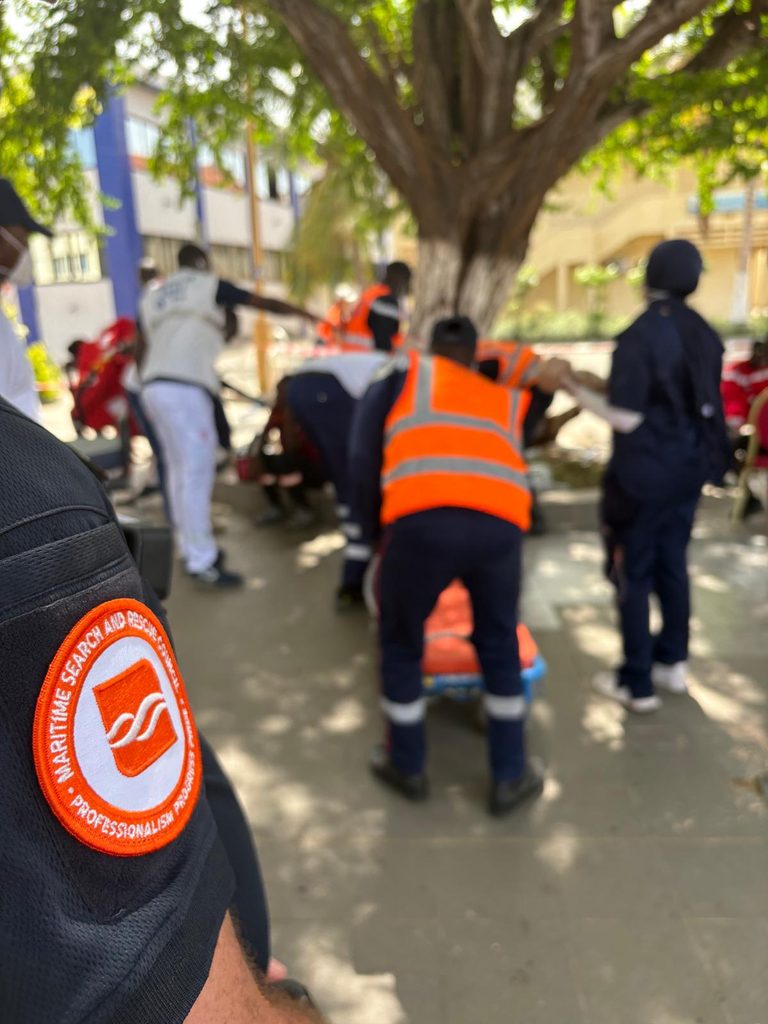
The exercise followed three days of Introduction to Search and Rescue Principles training delivered in Senegal through the partnership between MSARC and FHAS. The course brought together a broad cross-section of the national SAR system, including rescue coordination staff, shore-based civil contingencies personnel and military and civilian maritime SAR crews.
The training focused on developing a common understanding of SAR principles, operational roles and coordination across agencies. It also provided a foundation for the subsequent live exercise, allowing participants to apply learning in a realistic environment that connected decisions at the rescue coordination centre with action at sea and the humanitarian response ashore.
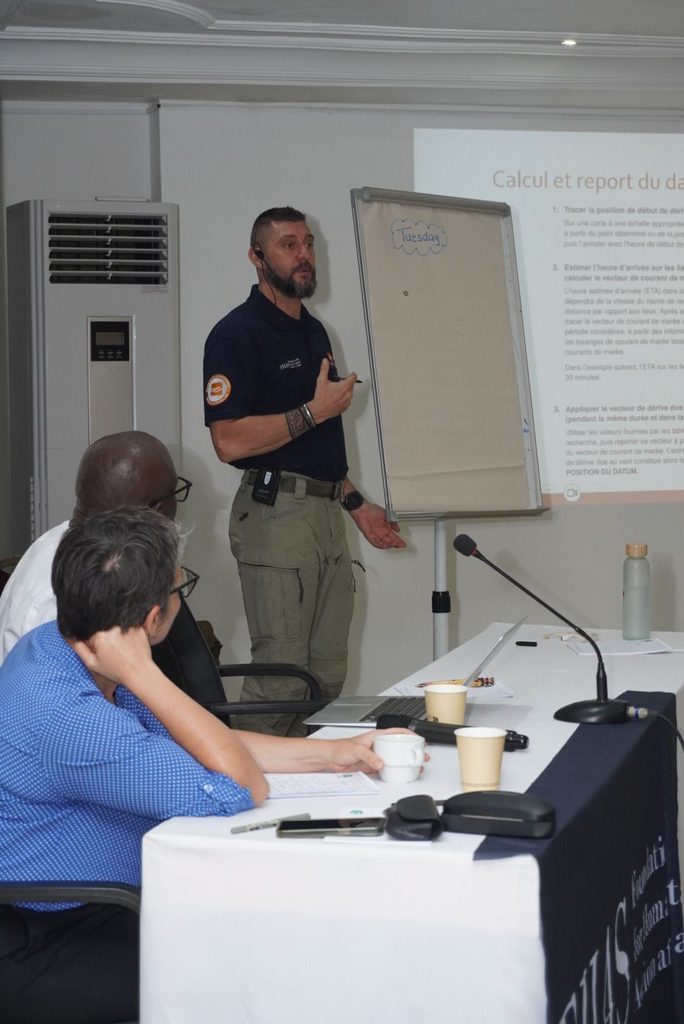
The three-day course brought together personnel with different responsibilities within Senegal’s national SAR system, including rescue coordination staff, shore-based civil contingencies personnel, and military and civilian maritime rescue crews. Training together gave participants an opportunity to consider how decisions made at sea affect the wider emergency response ashore, and how clear responsibilities and timely information-sharing support an effective rescue.
The programme introduced core search and rescue principles and the importance of coordinated action between the Maritime Rescue Coordination Centre, responding vessels and shore-based services. Particular emphasis was placed on developing a shared understanding across agencies that may normally train and operate separately, but must work together during a major incident.
The subsequent live exercise provided a practical continuation of that learning. Participants could apply the principles discussed during the course to a developing incident, from the initial distress report and designation of an On-Scene Coordinator to the search for potentially missing persons, reconciliation of casualty numbers and handover for medical assessment ashore. This progression from training to a multi-agency operational scenario was a central feature of the joint MSARC–FHAS programme.
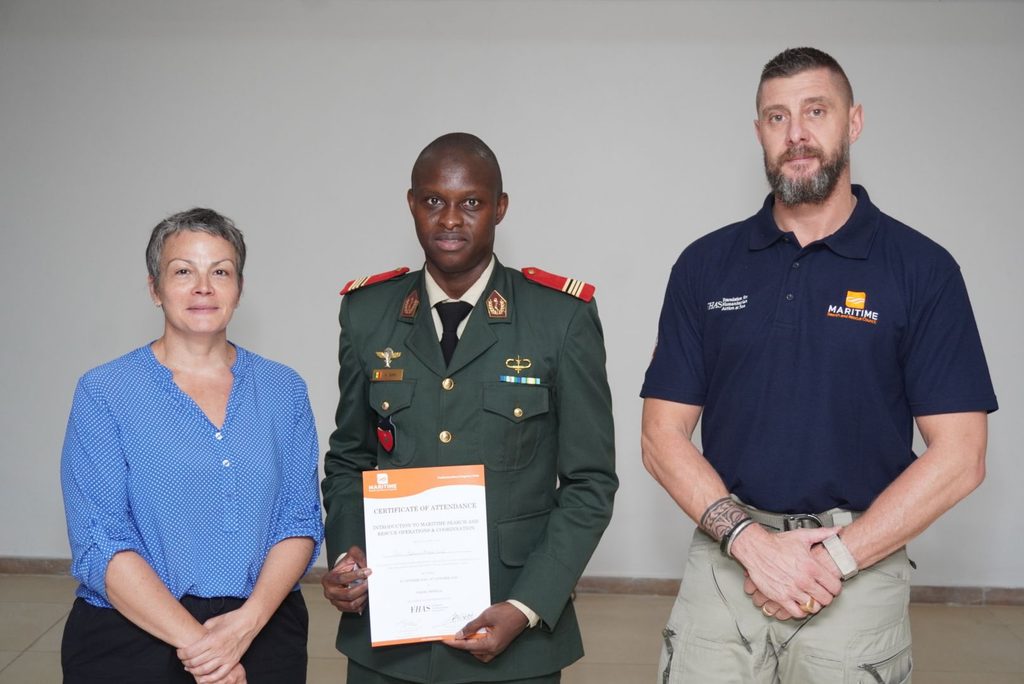
By involving both sea-going responders and those responsible for reception, medical support and public safety on land, the programme reinforced that a successful maritime rescue does not end when survivors are brought aboard a rescue vessel. Safe disembarkation, accurate casualty information and coordination of onward care are also essential parts of the response.
HASSMAR played an instrumental role in supporting the programme and bringing together national stakeholders. The combined training and exercise activities reflect a shared commitment to strengthening sustainable, nationally led SAR capability and preparedness along the Atlantic coast.
The Dakar programme forms part of MSARC’s wider international work supporting maritime SAR capability development through training, exercises, professional assessment and cooperation with national authorities and humanitarian partners. The Council and FHAS look forward to building on the relationships and operational lessons developed through the programme.