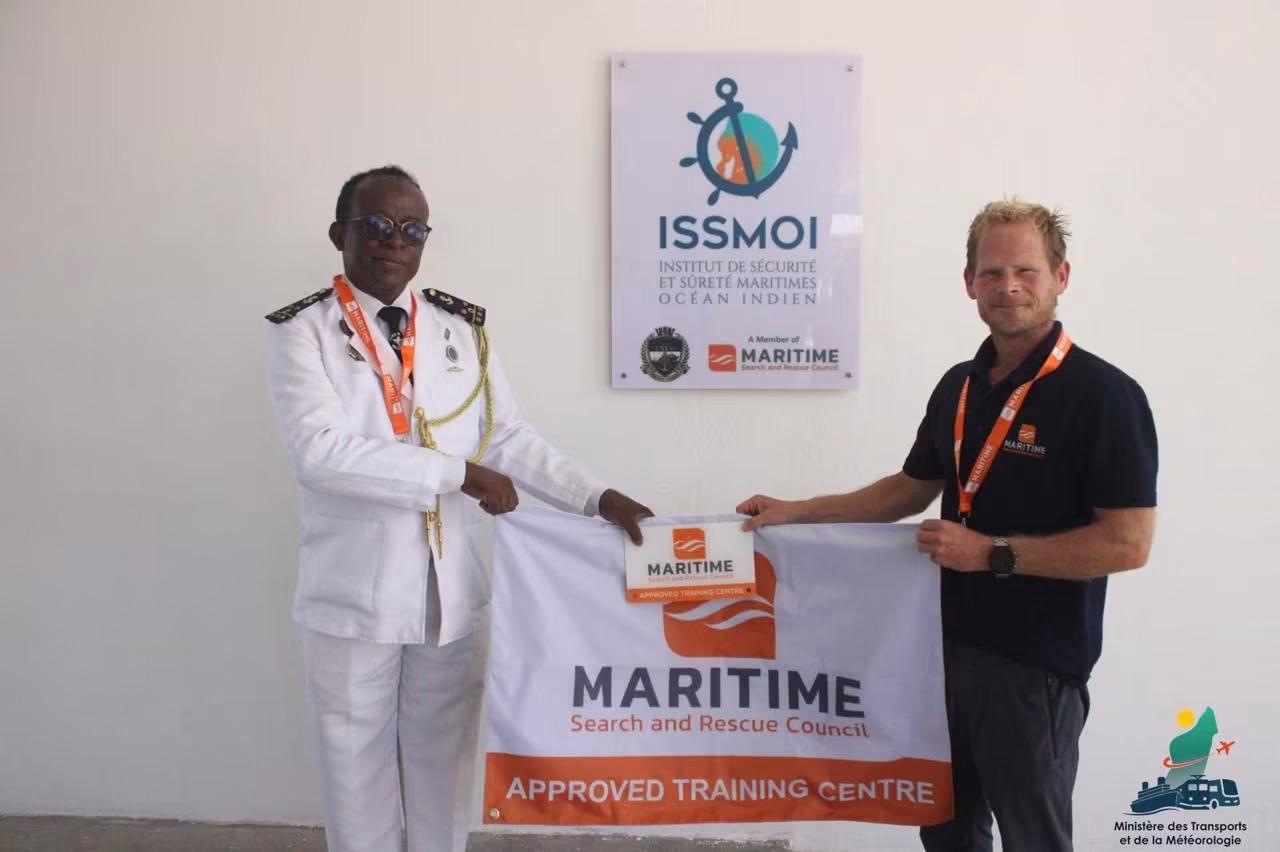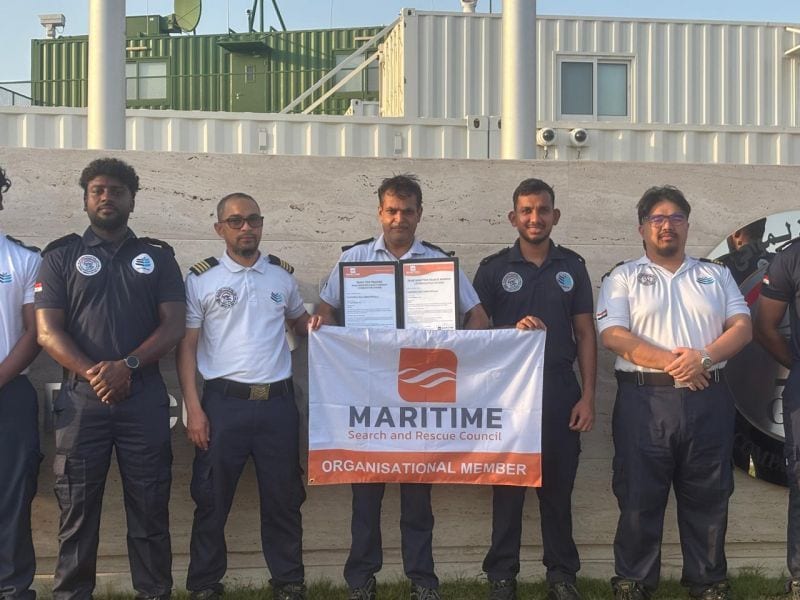
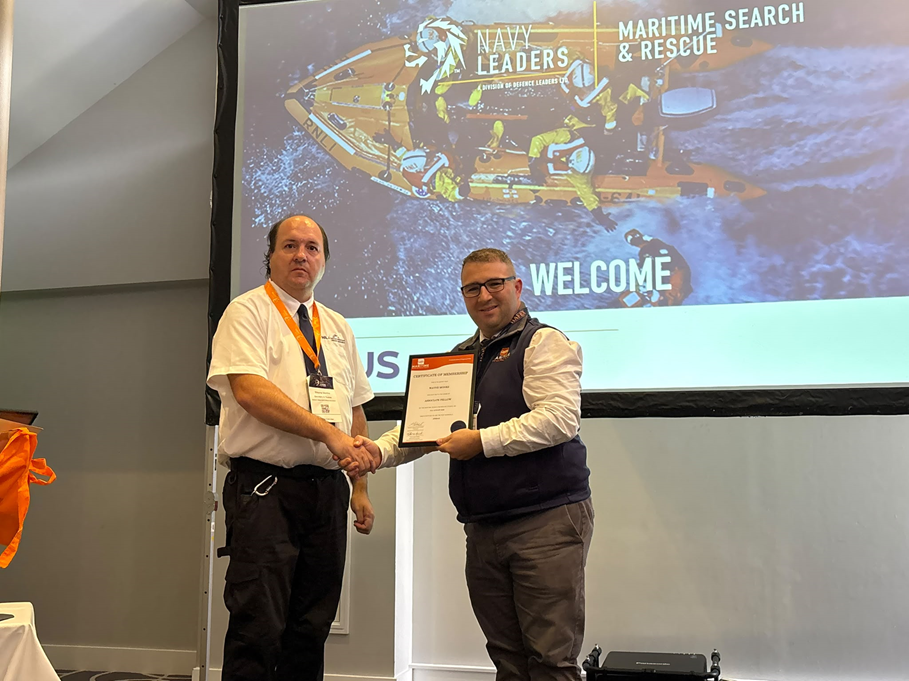
The Maritime Search and Rescue Council (MSARC) is delighted to welcome the National Independent Lifeboat Association (NILA) as an Organisational Member, strengthening the relationship between the two organisations and creating new opportunities to support independent lifeboat crews across the United Kingdom.
NILA represents independent lifeboat organisations operating around the UK coastline, bringing together organisations and volunteers who provide an important lifesaving capability within their local communities.
The new Organisational Membership builds on an existing relationship between MSARC and some NILA members, which has already seen independent lifeboat personnel participate in specialist search and rescue training delivered by the Council.
This has included training in On-Scene Coordination, SAR Radar and other specialist areas designed to support crews and commanders involved in responding to maritime emergencies.
Through NILA’s Organisational Membership, the two organisations will now work more closely to identify opportunities for training, professional development, knowledge sharing and wider support for the independent lifeboat community.
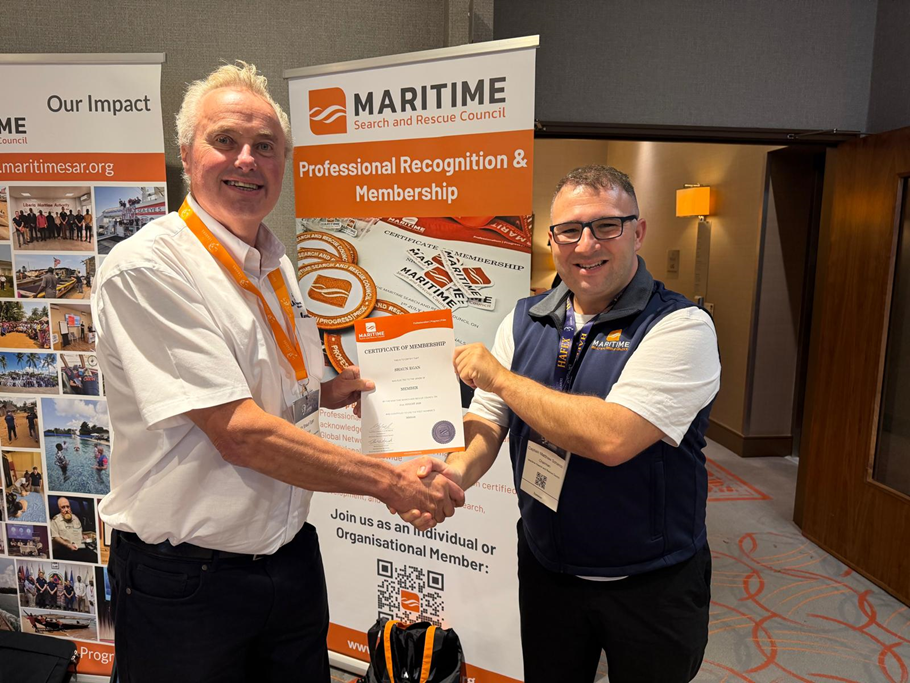
Captain Matthew Schanck, Chairperson of the Maritime Search and Rescue Council, said:
“Independent lifeboats provide an extraordinary service around the UK coastline. Behind every station are volunteers giving their time, skills and commitment to be there when somebody needs help at sea.
“We have already had the opportunity to work with a number of NILA members through our training, and welcoming NILA as an Organisational Member gives us the opportunity to build on that relationship and look at how MSARC can provide wider, long-term support to the independent lifeboat community.
“One of MSARC’s core objectives is to bring the maritime SAR community together. Independent lifeboats are an important part of that community, and we want to make sure their crews have opportunities to access professional training, share experience and engage with SAR colleagues both here in the UK and internationally.”
The partnership comes as MSARC prepares to establish the first phase of its International Maritime Search and Rescue Training Academy in Hampshire in 2027.
Supporting independent lifeboat personnel will be one of the Academy’s priorities, providing access to specialist maritime SAR training in areas including On-Scene Coordination, SAR command and leadership, SAR Radar and navigation, maritime communications, casualty care, rescue swimmer and water-rescue skills, maritime incident command, mass rescue operations and human factors.
The Academy will also provide opportunities to bring together independent lifeboat volunteers with professional and volunteer SAR personnel from other organisations and countries, allowing operational experience and lessons to be shared across the wider maritime rescue community.
For MSARC, the relationship is about more than providing courses. The Council hopes to work with NILA and its members to understand where additional support would be most valuable and to develop training and professional-development opportunities around the operational needs of independent lifeboat organisations.
Captain Schanck added:
“The independent lifeboat community has an enormous amount of operational experience and expertise within it. This is very much a two-way relationship – there is a great deal that the wider SAR community can learn from independent lifeboat crews as well.
“We want to create opportunities for that experience to be shared, while helping make specialist SAR training and professional development as accessible as possible to the people volunteering to save lives around our coastline.
“We are extremely pleased to welcome NILA to MSARC and are looking forward to seeing what we can achieve together.”
NILA joins MSARC’s growing network of individual and organisational members spanning six continents, bringing together SAR professionals, rescue organisations, maritime authorities, training organisations and others with a shared commitment to improving maritime search and rescue.
The partnership reflects MSARC’s wider belief that stronger SAR capability is built through cooperation, shared professional standards and organisations working together towards a common objective: saving lives at sea.