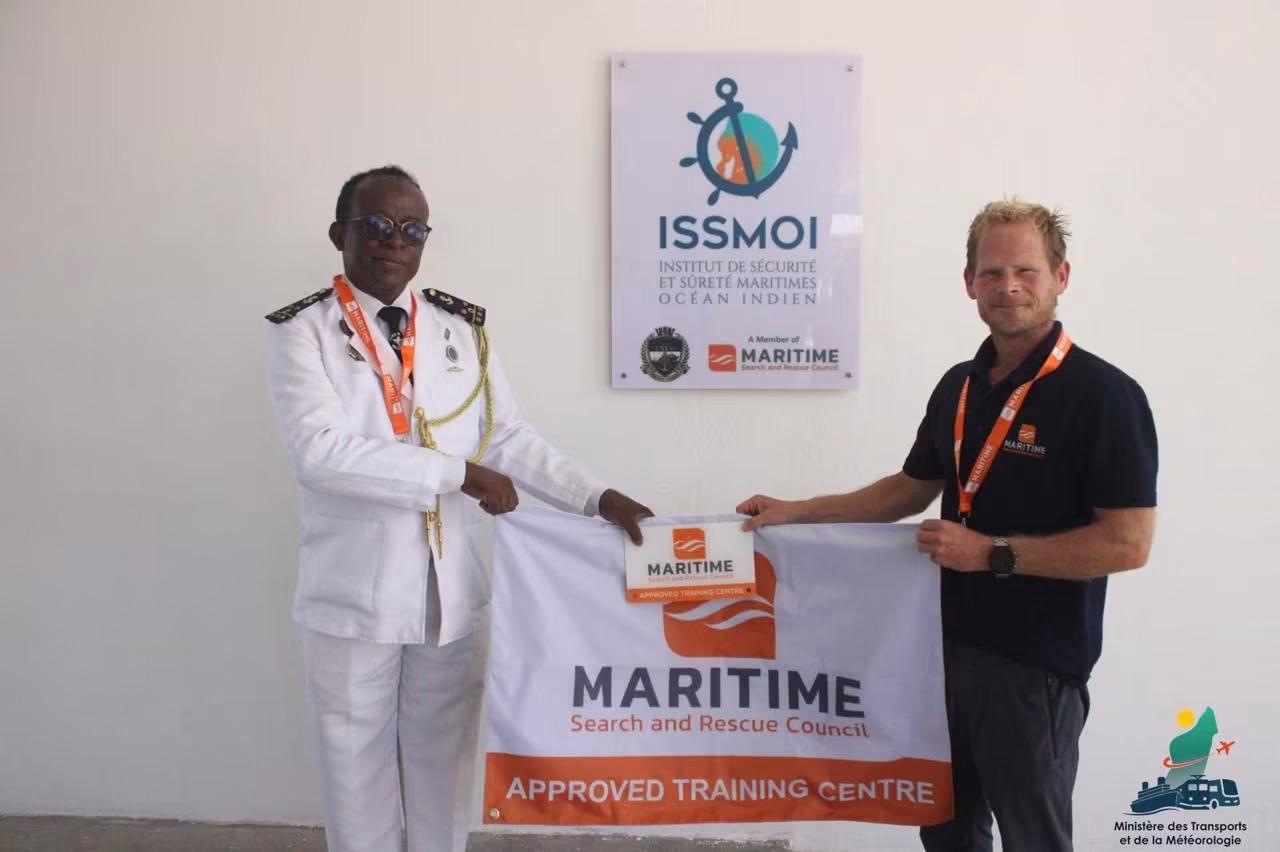
The Maritime Search and Rescue Council (MSARC) has supported a major regional maritime search and rescue (SAR) training programme in Mahajanga, Madagascar, bringing together maritime professionals from eight countries to strengthen cooperation, operational capability and professional standards across the region.
Hosted by the National Maritime Education School (ENEM) in Mahajanga, the programme brought together 25 maritime professionals from South Africa, Comoros, Djibouti, Madagascar, Mauritius, Mozambique, Tanzania and Seychelles.
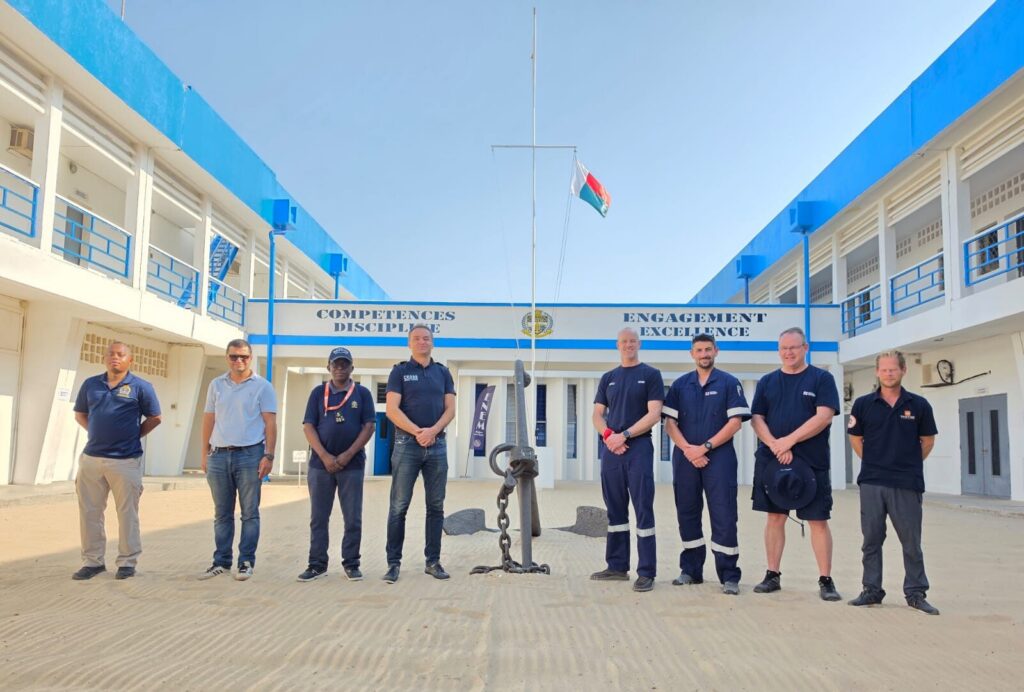
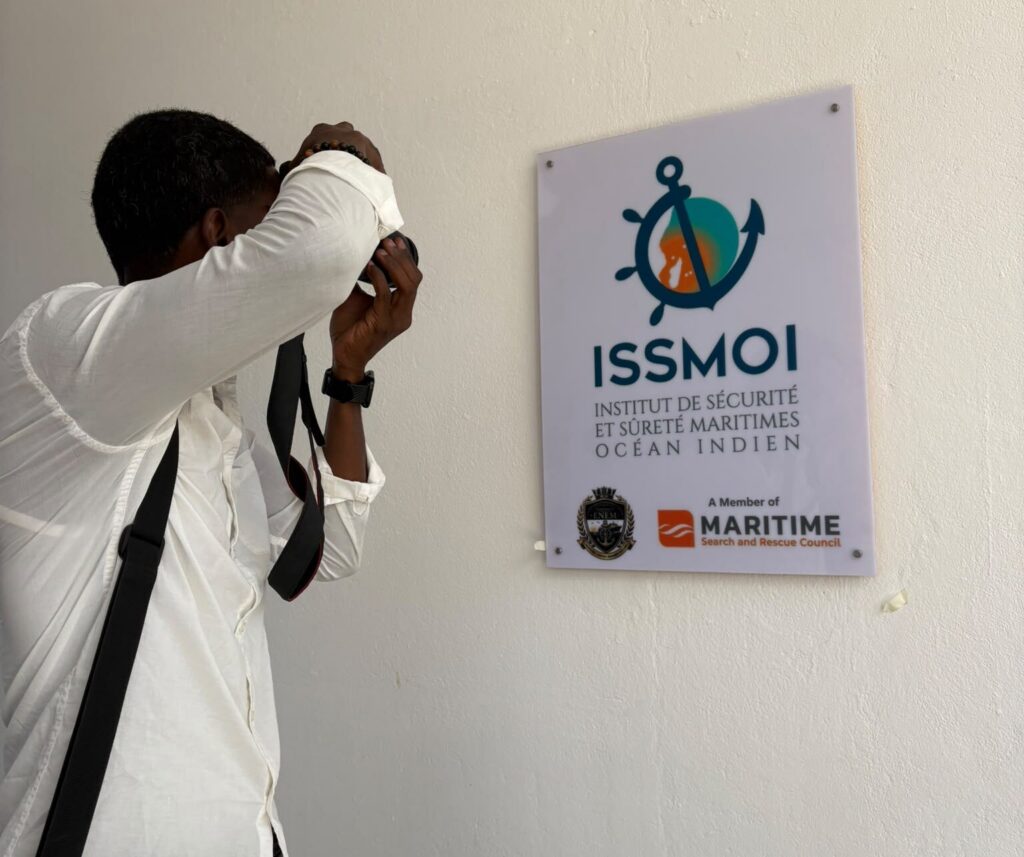
The regional training was organised by the Indian Ocean Regional Maritime Security and Safety Institute, in partnership with the Indian Ocean Commission (IOC) and the Directorate for Security and Defence Cooperation (DCSD) of the French Ministry for Europe and Foreign Affairs.
The programme provided an opportunity for personnel from across the region to train together, share operational experience and develop a stronger common understanding of the coordination and delivery of maritime search and rescue operations. Throughout the week, participants took part in a combination of theoretical training, tabletop exercises and practical exercises at sea, allowing them to apply SAR principles within realistic operational scenarios.
The practical elements were supported by vessels from Madagascar’s Centre de Surveillance des Pêches (CSP) and the Agence Portuaire Maritime et Fluviale (APMF), providing participants with the opportunity to put coordination, communication and operational decision-making into practice.
The in-person training was delivered by experts from South Africa’s National Sea Rescue Institute (NSRI), supported by an e-learning module and webinar provided by the International Maritime Rescue Federation (IMRF). MSARC provided the independent international assessment and certification of participants on behalf of the IOC.
MSARC’s involvement provided an independent assessment and certification process through which participants could demonstrate the knowledge, skills and professional standards developed throughout the programme, supporting greater consistency and professional recognition across the region.
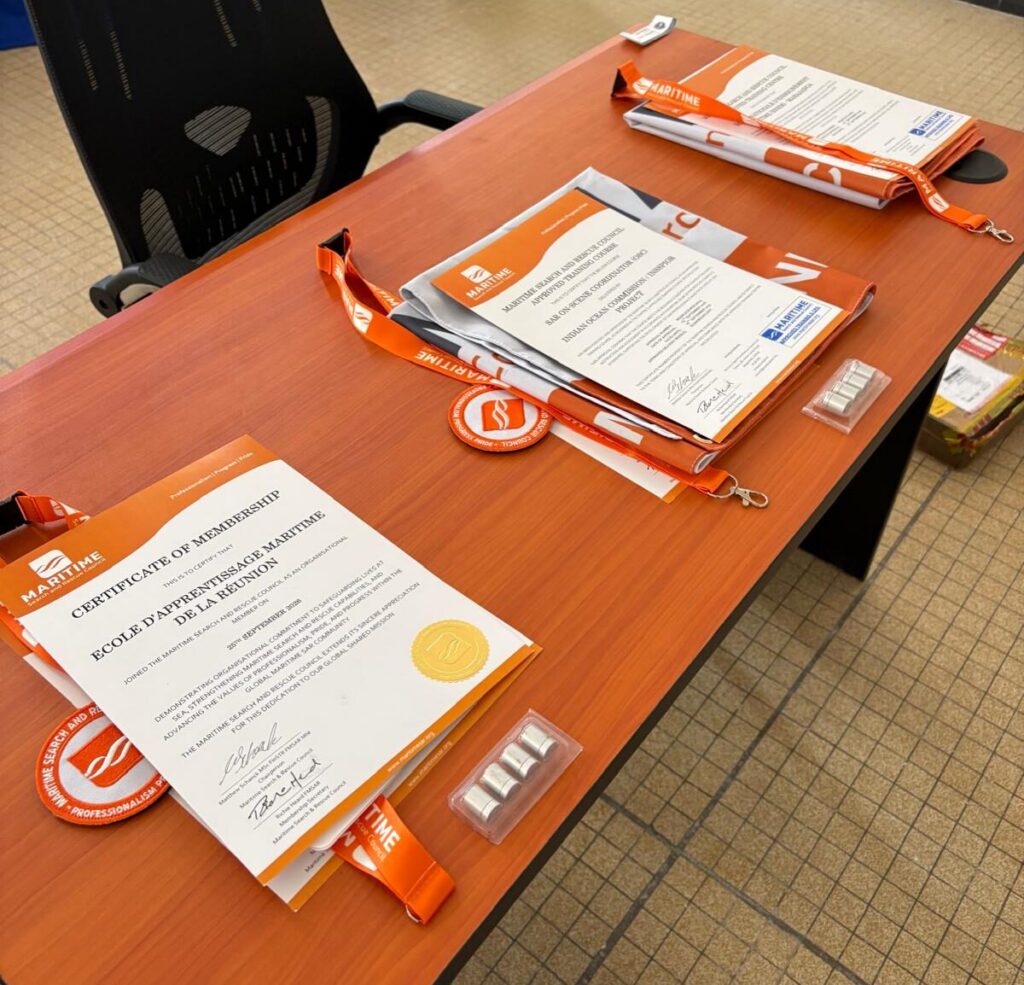
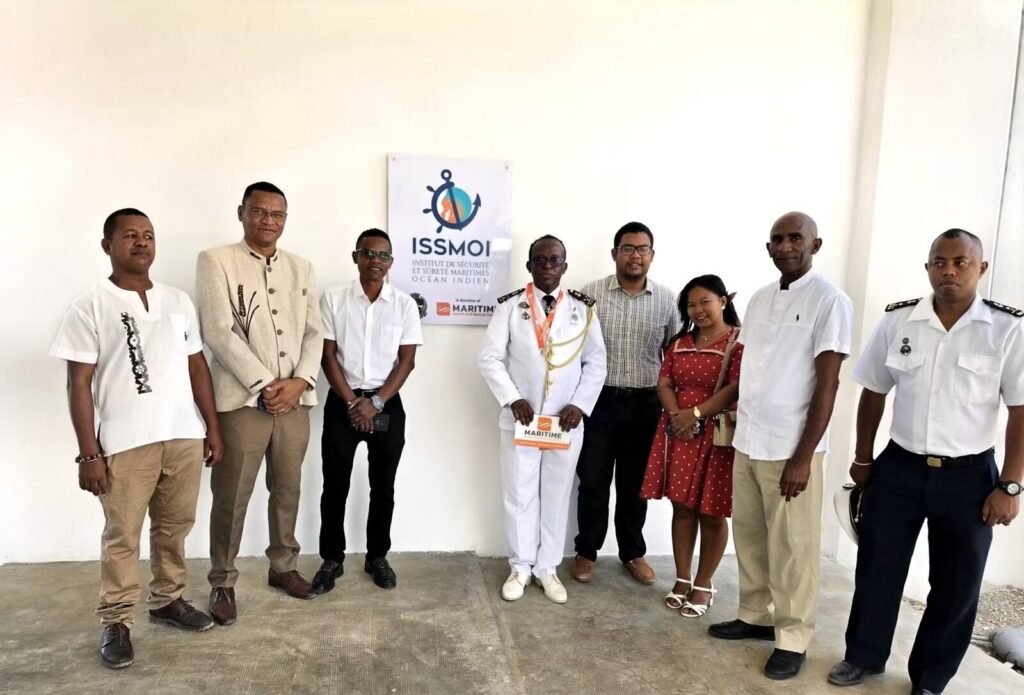
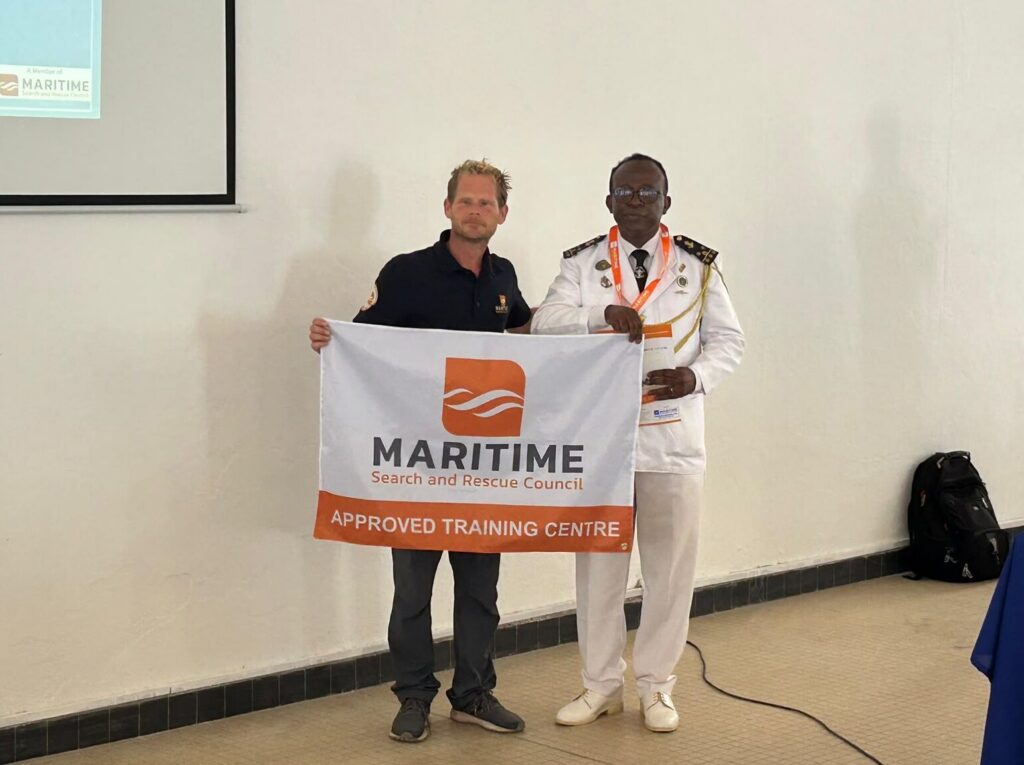
The programme also marked an important milestone for the IOC and ENEM. Alongside the participant assessment, the On-Scene Coordination course and the ENEM training venue underwent MSARC’s formal Approved Training Centre quality-assurance process, with MSARC Vice Chairman Richie Heard in Madagascar to undertake the assessment.
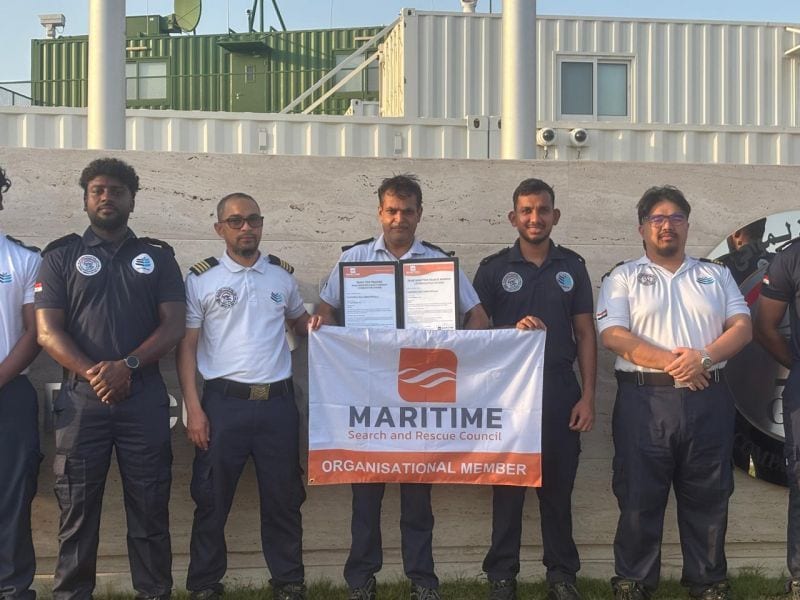
Following the successful assessment, the IOC and ENEM were formally awarded MSARC Approved Training Course and Approved Training Centre status, joining MSARC’s growing international network of approved training providers. The IOC also joined MSARC as an Organisational Member, strengthening the partnership and providing a platform for continued cooperation in maritime SAR development.
The Approved Training Centre framework provides maritime authorities, rescue organisations and training institutions with independent quality assurance of their SAR training. The process reviews the course, instructors, facilities, equipment, assessment arrangements and the systems used to manage and maintain training standards, providing external recognition that approved provision has met MSARC’s requirements.
For approved organisations, the framework provides a recognised route to deliver MSARC-approved training and certification while becoming part of a growing international network of SAR training providers. Continued oversight helps maintain standards after initial approval and supports greater consistency in the training and professional recognition of SAR personnel internationally.
Richie Heard, Vice Chairman of the Maritime Search and Rescue Council, said:
“Search and rescue does not stop at national boundaries. When somebody is in distress at sea, effective coordination between neighbouring States and organisations can make a very real difference to the outcome.
“Bringing SAR professionals from eight countries together in Madagascar provided an important opportunity not only to develop individual skills, but also to build relationships, share experience and strengthen the common understanding that is essential when organisations need to work together during a real maritime emergency.
“For MSARC, it was particularly important to support the programme through independent professional assessment and certification. Training is a vital part of capability development, but there is also considerable value in giving SAR professionals the opportunity to demonstrate the knowledge and skills they have developed and receive professional recognition for what they have achieved. The same principle applies to the organisations delivering that training: independent quality assurance helps provide confidence that the course, facilities and systems supporting delivery meet a consistent professional standard.”
The programme demonstrated the importance of combining classroom learning with practical exercises. Tabletop scenarios allowed participants to explore the coordination and decision-making required during complex maritime emergencies, while the sea exercises provided an opportunity to translate those discussions into operational practice.
It also highlighted the value of regional cooperation in an area where maritime emergencies can require coordination between multiple States, rescue coordination centres, vessels and other organisations. The initiative was supported through a wider network of regional and international maritime security and safety partners, including EU International Partnerships through Safe Seas Africa, the Regional Coordination Operations Centre (RCOC) and the Regional Maritime Information Fusion Centre (RMIFC).
Richie Heard added:
“No single organisation or country can address every maritime SAR challenge alone. Strong regional SAR capability depends upon people knowing one another, understanding how their respective organisations operate and having confidence that they can work together when an emergency occurs.
“This programme is a good example of what can be achieved when national organisations, regional bodies and international SAR partners bring their respective expertise together around one shared objective – protecting human life at sea.
“We are proud to have played our part in this regional programme and look forward to continuing to support the development and professional recognition of maritime SAR personnel across the region.”
The Madagascar programme forms part of MSARC’s growing international work supporting sustainable maritime SAR capability development and professional standards. During 2026, the Council has supported projects and initiatives across Africa, the Western Indian Ocean and internationally, working alongside governments, coastguards, rescue organisations, humanitarian partners and regional organisations.
MSARC welcomes enquiries from maritime authorities, coastguards, rescue organisations and training institutions interested in having their SAR training independently assessed and joining the growing international network of Approved Training Centres. Further information on the Approved Training Centre framework is available at www.maritimesar.org/training/