We work with coastguards, rescue coordination centres (RCCs), maritime authorities, civil protection organisations and emergency services responsible for coordinating or delivering maritime search and rescue (SAR).
Our focus is operational: stronger capability, sharper coordination, and SAR services that are safe, effective and aligned with the IAMSAR Manuals and recognised operational good practice.
How we support SAR and maritime agencies
- Command and leadership development
- Rescue coordination and On-Scene Coordinator training, aligned to IMO Model Course 3.15
- Communications, radar and navigation programmes
- Operational procedures and safety management systems
- Capability audits and vessel readiness reviews
- Standards assurance
- Exercise design and organisational development
Case study
Building national maritime SAR capability in the Comoros Islands
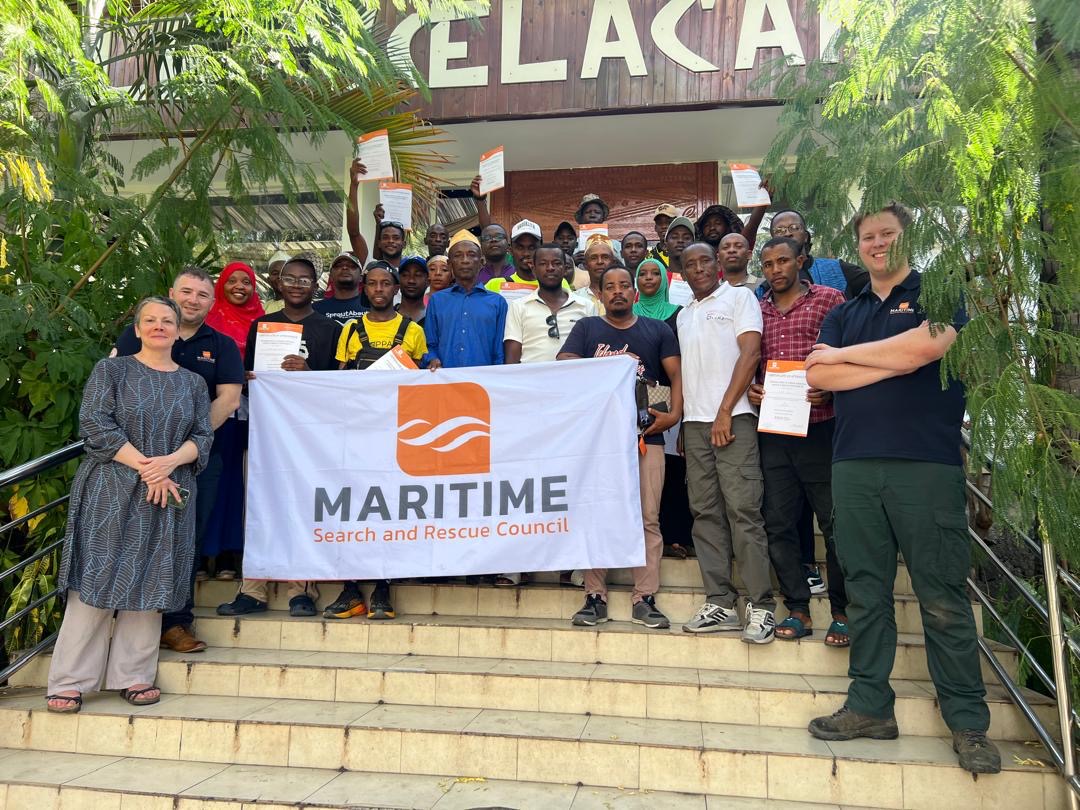
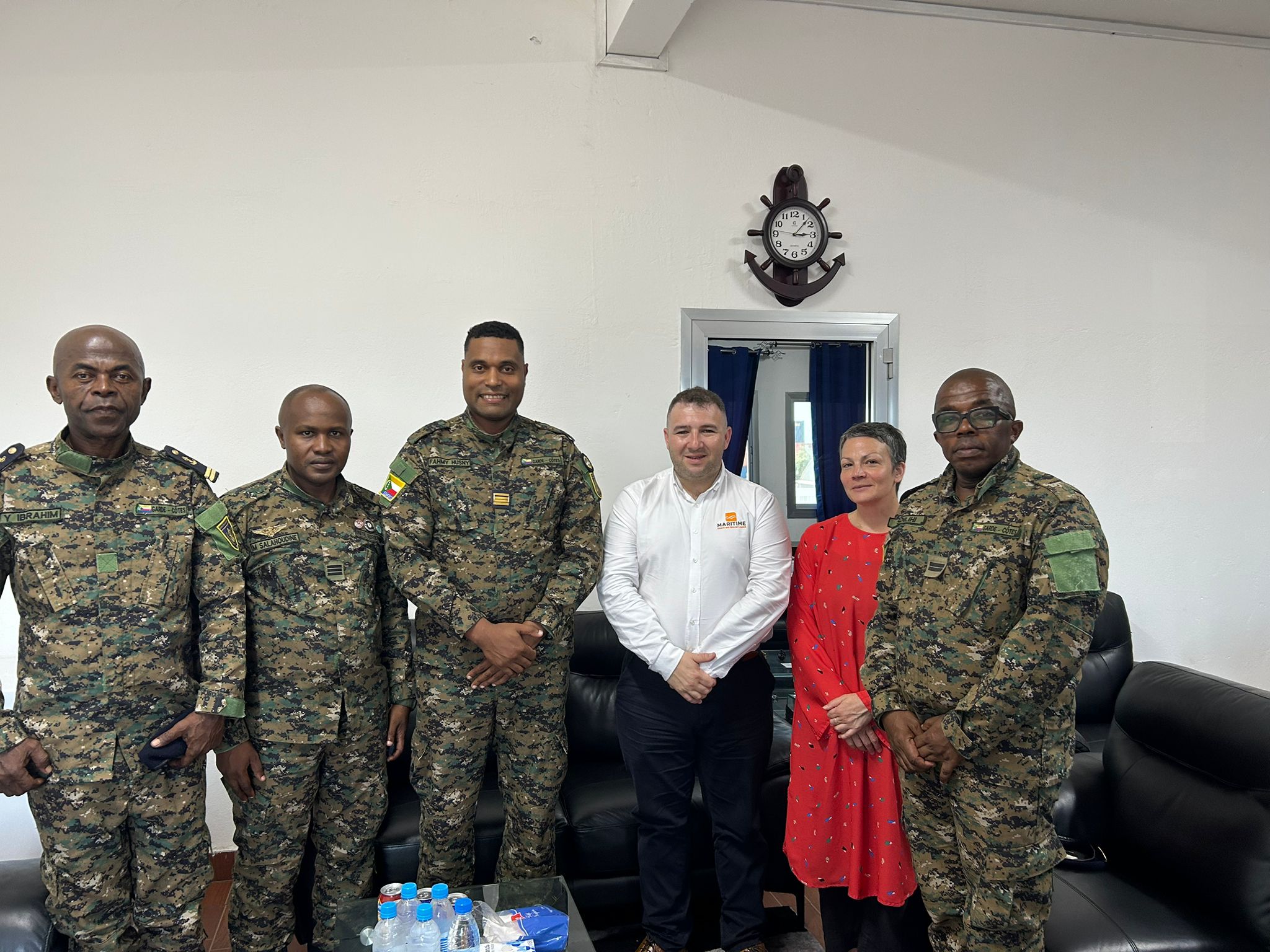
The Maritime Search and Rescue Council is currently supporting the Centre National des Opérations d’Urgence en Mer (CNAEM) and other government maritime agencies through a long-term programme of maritime search and rescue capability development, delivered in partnership with the Foundation for Humanitarian Action at Sea (FHAS). Working closely with national authorities, our support extends beyond the delivery of training to strengthen operational capability, leadership, coordination and organisational resilience. The programme includes training in Search Mission Coordination, On-Scene Coordinator (IMO Model Course 3.15), and Human Factors and Non-Technical Skills, ensuring personnel develop not only the technical knowledge required for effective SAR operations, but also the decision-making, leadership, communication and teamwork skills essential for managing complex maritime emergencies.
The programme also supports wider community resilience through the delivery of first aid, sea survival and emergency response training for fishermen and local volunteer responders operating in coastal communities. By developing capability at both the strategic and community levels, the programme strengthens the entire national maritime SAR system, improving preparedness, coordination and the ability to respond effectively to incidents at sea.
Alongside formal training, the Council designs and delivers bespoke national maritime SAR exercises tailored to the country’s operational environment and strategic priorities. These exercises provide government agencies with a realistic environment in which to validate command structures, coordination procedures, inter-agency communication and operational policies, while identifying opportunities for improvement. Lessons identified during each exercise are captured through structured debriefing and translated into practical recommendations, supporting the continuous development of national SAR policies, procedures and capability in line with international conventions, recognised guidance and operational good practice.
Frequently asked questions
What does a Rescue Coordination Centre do?
A Rescue Coordination Centre (RCC) is the unit responsible for promoting efficient organisation of search and rescue services and for coordinating SAR operations within a search and rescue region. RCC staff receive distress alerts, assess the situation, task and coordinate assets, and manage the response through to conclusion.
What is an On-Scene Coordinator?
An On-Scene Coordinator (OSC) is the person who coordinates search and rescue units at the scene of an incident, on behalf of the Rescue Coordination Centre. The role is defined in the IAMSAR Manuals and is typically undertaken by the master of a vessel or the commander of a SAR unit.