
We help governments and public authorities strengthen national maritime search and rescue (SAR) systems, improve coordination and build capability that meets the International Convention on Maritime Search and Rescue (SAR 1979), IMO guidance, the IAMSAR Manuals and established good practice.
How we support governments
- SAR capability reviews: an independent assessment of national SAR capability against international convention
- National SAR Plan development: drafting, reviewing and implementing the plan that underpins a state’s SAR obligations
- Policy and strategic planning
- Governance reviews and strategic mentoring
- Standards development and training design
- National and regional SAR exercises
- Organisational capacity building
Case study
Advancing maritime search and rescue cooperation through the CRIMARIO programme
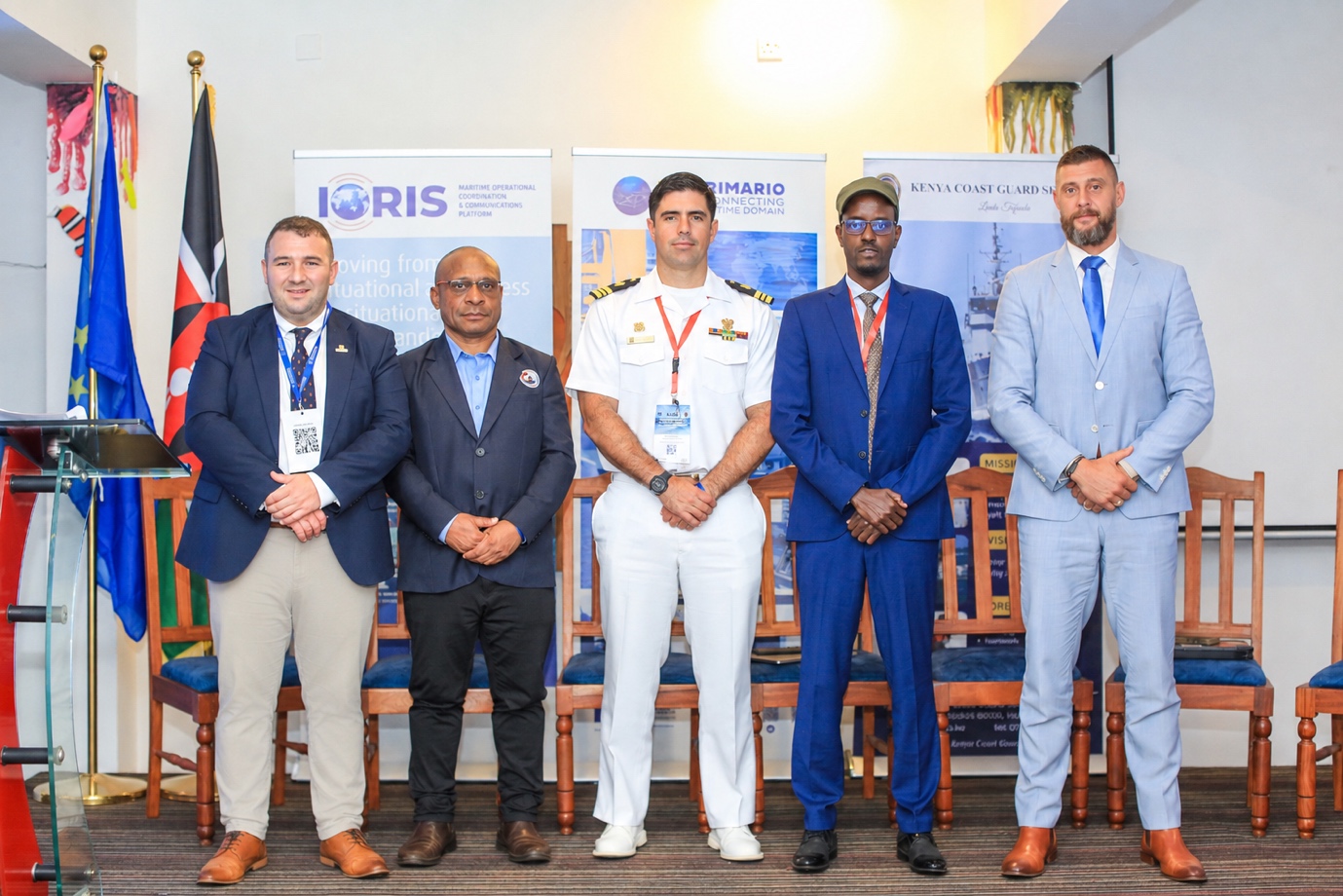
The Maritime Search and Rescue Council is supporting the European Union-funded CRIMARIO programme to strengthen regional maritime search and rescue cooperation across the Western Indian Ocean and Indo-Pacific regions. Working alongside CRIMARIO, national maritime authorities and regional partners, the Council supports the planning, delivery and evaluation of complex multinational SAR exercises designed to enhance interoperability, improve cross-border coordination and strengthen the effective use of regional maritime information-sharing systems. These exercises bring together Maritime Rescue Coordination Centres (MRCCs), coast guards, navies and other government agencies to practise the coordinated management of realistic cross-boundary maritime emergencies.
Alongside the exercise programme, the Council facilitates regional workshops that bring together participating states to identify lessons learned, develop common operating procedures, strengthen regional SAR standards and promote the adoption of recognised international good practice. By supporting the development of harmonised policies, procedures and operational coordination mechanisms, the programme helps participating nations improve their collective ability to respond effectively to maritime emergencies that extend beyond national borders, contributing to a safer, more resilient and better-connected regional SAR system.
Frequently asked questions
What is a National SAR Plan?
A National SAR Plan is the document that sets out how a state organises, coordinates and delivers search and rescue within its search and rescue region. It defines responsible authorities, coordination arrangements, available resources and response procedures. Under the SAR Convention 1979, coastal states are expected to establish adequate SAR arrangements, and the National SAR Plan is how those arrangements are set out.
Who is responsible for maritime search and rescue in a country?
Responsibility usually sits with a designated national authority, often a coastguard, navy or maritime administration, operating one or more Rescue Coordination Centres. The SAR Convention 1979 requires coastal states to establish arrangements for SAR services within their search and rescue region.