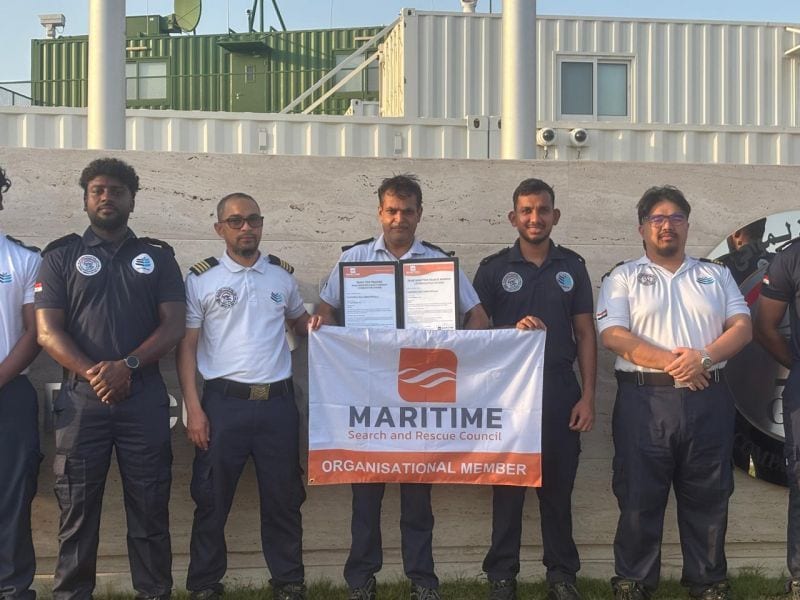
The Maritime Search and Rescue Council (SAR Council) is strengthening its engagement with the international search and rescue community following its participation at ISAR26 in Kuala Lumpur, Malaysia, including the formal recognition of Global SAR Resources as its first Organisational Member in Asia.
Hosted by Global SAR Resources, ISAR26 brings together organisations and professionals from across the international search and rescue community to share expertise, discuss emerging challenges and explore opportunities to strengthen SAR capability.
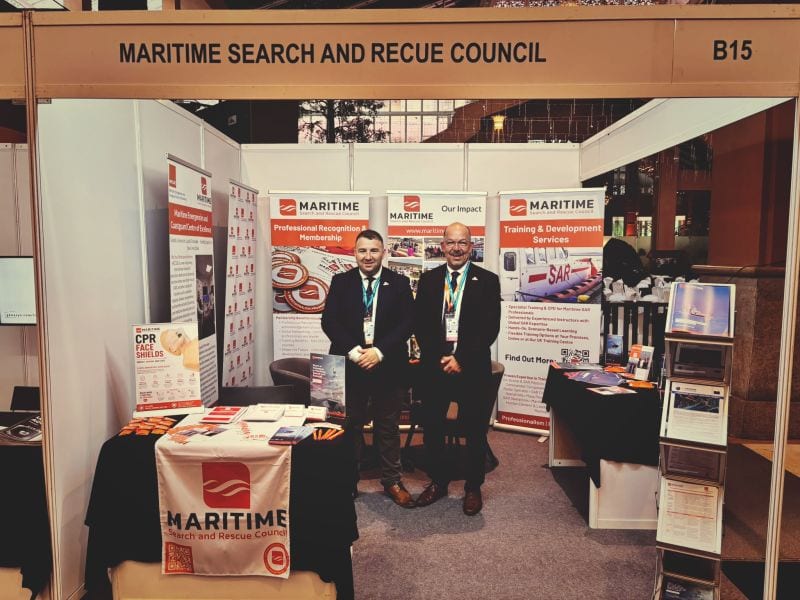
The SAR Council exhibited at the event, providing an opportunity to engage with SAR organisations, maritime operators and other stakeholders about the Council’s work in professional development, capability building and international cooperation.
A key milestone during the conference was the formal welcome of Global SAR Resources as an Organisational Member of the Maritime Search and Rescue Council.
As the Council’s first Organisational Member in Asia, the partnership represents an important development in the Council’s growing international network and provides a foundation for closer cooperation on search and rescue capability development across the region.
The relationship reflects the Council’s wider objective of connecting organisations involved in maritime SAR and creating opportunities to share knowledge, experience and professional standards across national and regional boundaries.
Addressing the challenges of modern mass rescue operations
The Council’s Chairman, Captain Matthew Schanck, also contributed to the conference programme, presenting during the Maritime Search and Rescue plenary session.
His presentation, “Maritime Mass Rescue Operations: A Search and Rescue Surface Asset Suitability Framework for 21st Century Challenges”, explored the challenges facing SAR organisations when responding to large-scale maritime emergencies and considered how the suitability of surface SAR assets can be assessed against the demands of modern mass rescue operations.
Large-scale maritime incidents can place significant demands on search and rescue systems, requiring the coordination of multiple assets, organisations and jurisdictions. The research presented at ISAR26 contributes to the wider discussion around how SAR resources and operational planning can evolve to meet these increasingly complex scenarios.
Captain Schanck’s participation also provided an opportunity to share the Council’s research and experience with an international audience and contribute to discussions around the future development of maritime search and rescue capability.
Expanding international cooperation
The Council’s participation at ISAR26 forms part of its ongoing work to build relationships across the global SAR community and support organisations seeking to strengthen their operational capability.
The addition of Global SAR Resources to the Council’s membership network further extends this international reach into Asia and creates opportunities for future collaboration in the region.
The SAR Council will continue to engage with international SAR organisations, maritime authorities, training providers and industry partners to promote professional standards, knowledge sharing and sustainable capability development across the maritime search and rescue sector.