
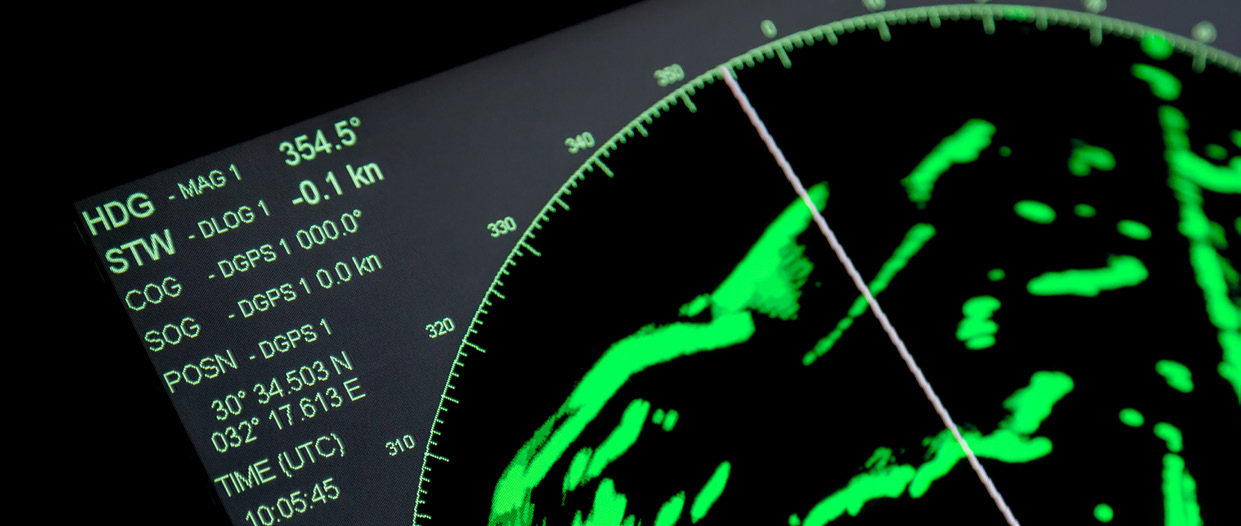
The SARROP Course is an in-depth training programme focused on the critical role of radar operation in Search and Rescue (SAR) scenarios.
It covers both foundational and advanced radar techniques, equipping participants with essential knowledge of radar principles, display interpretation, and radar’s application in locating casualties during SAR missions. The course emphasises the effective use of radar in challenging conditions, such as poor visibility, and teaches participants how to interpret complex radar data to enhance decision-making.
Participants will learn to implement radar-based search patterns and navigate SAR operations using radar, preparing them to handle high-pressure rescue missions where accurate and timely information is vital.
A core part of the course involves practical SAR scenarios where participants engage in simulated rescue missions, applying their classroom knowledge in realistic settings.
The programme begins with an introduction to the fundamentals of radar, focusing on optimising settings like gain and clutter controls, followed by hands-on exercises using radar simulators. It then progresses to advanced techniques for managing radar data in difficult conditions and developing effective search strategies using radar technology.
The course concludes with simulated SAR exercises, reinforcing participants’ skills in radar navigation and casualty location. By the end, participants will have a comprehensive understanding of radar operation in SAR contexts and the confidence to apply these skills in real-world rescue missions, ensuring they can contribute effectively to maritime SAR operations.